
COGNITIVE REHABILITATION SERVICES
What is Cognitive Rehabilitation?
Cognitive rehabilitation helps adults strengthen the thinking and communication skills needed for daily life such as memory, attention, problem-solving, and organization by addressing how the brain processes and uses information, rather than focusing on speech or language alone. A cognitive-communication impairment can result from a traumatic brain injury, stroke, infection, brain tumor, or degenerative condition like Parkinson’s disease, MS, Alzheimer’s disease, or other types of dementia, and because different parts of the brain control different functions, any damage can affect cognition and communication. Therapy is tailored to each person’s needs and may include real-life strategies like calendars, checklists, and routines to support independence, reduce frustration, and build confidence, while speech-language pathologists work closely with clients and families to restore function, ensure safety in natural environments, compensate for deficits, and provide education. In our experience, practicing these skills in a comfortable, familiar setting strengthens carryover and helps clients stay active and engaged in their communities.
A Cognitive-Communication Evaluation & Therapy Is Recommended if You or Your Loved One Has Any of the Following Symptoms:
Difficulty functioning independently due to difficulty with:
Difficulty managing home or maintaining a job or business due to difficulty:
We Are Here to Help
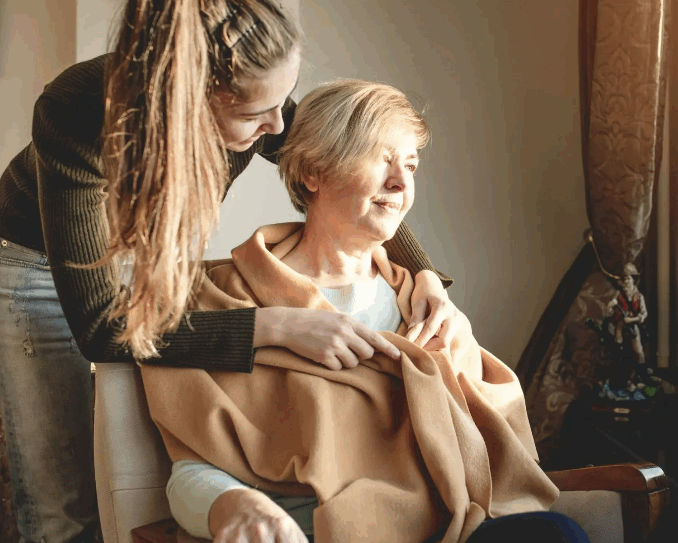
Although our loved ones may not be present in our reality, it’s important to look past the diagnosis and meet them where they are in order to connect on a deeper level.
Call
(570) 979-1199 to learn more.